

Why Am I So Angry? How To Break Free from Anger
A man stormed into a bakery, clearly fuming. “Look,” he said to the baker, “I bought raisin bread from you the other day, and when I opened it at home, I found a fly instead of a raisin in one of the slices!”
The baker, calm as ever, smiled and said, “Sir, no need to get worked up. Just bring the fly back, and I’ll replace it with a raisin. No extra charge!”
The moral of the story is, it’s not the absolute nature of what happens but how we take that situation. This way of dealing with a situation and looking at it from a different perspective comes from largely three areas: number one is wisdom, second is insight, and third is training.
Aristotle once said some people are good by nature, some by habit, and some by instruction. By training, you can train yourself to be calm and how to handle certain situations.
Anger is a universal human experience, a powerful emotion that can consume us, damage relationships, and even impact our physical health. Yet, it’s not an insurmountable force.
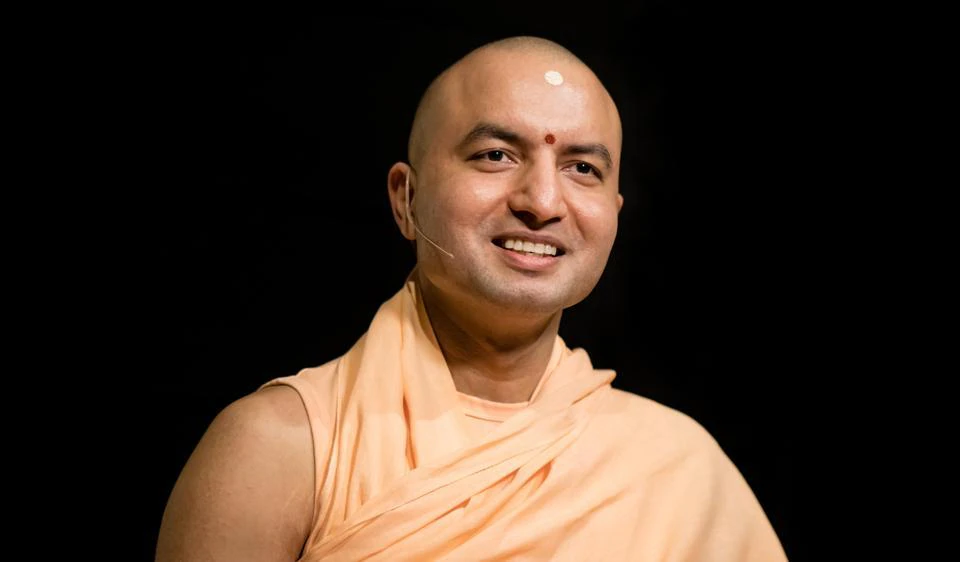
In a deeply enlightening discourse, spiritual teacher Om Swami offers a transformative perspective on understanding and managing anger, challenging our conventional beliefs about this intense emotional state.
The Myth of Anger as a Natural State
Most of us believe anger is an inherent, uncontrollable response—something that simply happens to us. Om Swami fundamentally challenges this notion. Just as you cannot summon anger at will, it is not a fundamental part of human nature.
Instead, anger is a learnt emotional reaction that can be unlearnt through conscious training and self-awareness.
To illustrate this point, Om Swami shares a powerful anecdote about a disciple who complained to his guru about constant anger.
When the guru asked the disciple to demonstrate his anger, the disciple realized he couldn’t—anger only emerges in specific triggered situations. This revelation mirrors how breathing is automatic, while anger is a choice.
The Three Roots of Anger
Understanding anger requires deep self-reflection. Om Swami identifies three primary sources of this volatile emotion:
- Ego: The most destructive root, ego manifests as an unwavering belief that “I am right, and I am the only one who’s right.” People dominated by ego view every situation through a lens of personal superiority, creating a fragile peace that can shatter at the slightest provocation.
- Hurt: This emerges from a profound sense of undeserved treatment. When we believe we don’t deserve a particular experience or outcome, hurt takes root, quickly transforming into anger.
- Frustration: Arising from a singular viewpoint of “Why can’t things be my way?”, frustration occurs when reality doesn’t align with our expectations. It reflects a rigid attachment to our perception of how things should be.
Discover More Wisdom


The Hidden Cost of Anger
Beyond emotional turbulence, anger exacts a tangible physical toll. Om Swami reveals a startling insight: angry individuals age faster. Wrinkles appear more quickly, and the body experiences accelerated ageing—a powerful metaphor for how internal emotional states manifest externally.
Wisdom in Perspective
The essence of managing anger lies not in the events themselves, but in our interpretation and response. Om Swami emphasises that wisdom, insight, and training determine our reaction to challenging situations.
Practical Strategies for Emotional Mastery
Self-Reflection
When anger rises, immediately examine its source. Are you angry due to ego, hurt, or frustration? Understanding the root helps address the underlying emotion.
Mindful Detachment
Embrace the philosophy of “mind over matter.” If you choose not to give importance to a triggering event, it loses power over your emotional state.
Forgiveness Without Acceptance
Forgiveness is not about condoning inappropriate behavior. It’s about releasing your own anger and offering a fresh start while maintaining healthy boundaries.
Training Emotional Intelligence
Drawing inspiration from Aristotle, Om Swami suggests that emotional regulation is a skill that can be learned. Some people are calm by nature, some by habit, and some through deliberate instruction and training.
The Path Forward
Anger management is not about suppression but transformation. By shifting perspective, practicing self-awareness, and understanding the transient nature of provocative situations, we can cultivate emotional resilience.
Conclusion
Anger need not be a master but a messenger—offering insights into our deepest fears, expectations, and unresolved emotions. With conscious practice, we can transform this powerful energy into wisdom, compassion, and inner peace.
Remember, every moment of anger is an opportunity for growth. The journey to emotional mastery is not about perfection but persistent, compassionate self-understanding.
Disclaimer: This article is for informational purposes only and is not a substitute for professional medical advice, diagnosis, or treatment. If you have health concerns, always consult a qualified expert. Individual experiences with meditation may vary. The article has been edited for length and clarity.


