

What is Meditation and Why Should You Practice?
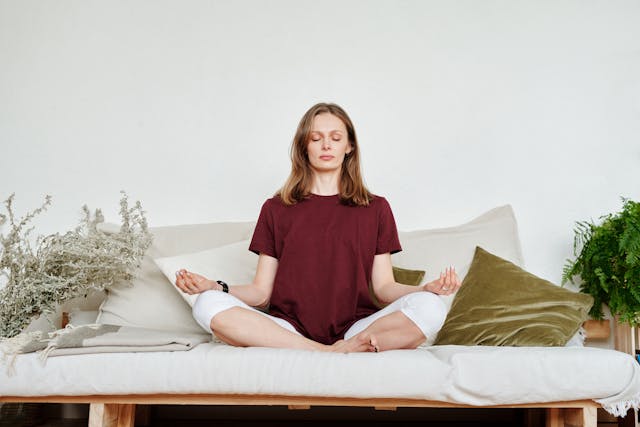
Meditation is a practice that involves training the mind to achieve a state of focused attention, calm awareness, and emotional balance. It is both an art and a science with roots in ancient spiritual Hindu traditions, but its benefits are widely acknowledged today in modern science and psychology. By cultivating mindfulness, meditation helps individuals better manage stress, emotions, and mental well-being while deepening their connection with themselves and the world around them.
What is Meditation?
Meditation is more than just sitting quietly; it’s an intentional practice to engage the mind in the present moment. Here’s a breakdown of its key components:
- Focused Attention: Concentrating on a particular object, thought, or activity, such as your breath, a mantra, or a guided visualization.
- Relaxation: Creating a state of ease and releasing physical tension.
- Becoming the Observer: Observing thoughts, feelings, and sensations without judgment. Simply watching your thoughts, just becoming the witness and observing it from a distance and not reacting to it.
- Meditation is Simply Awareness: Meditation doesn’t have to be a formal practice or involve sitting still for long periods. At its core, meditation is simply the act of being fully aware. Whatever task you are doing, whether it’s eating, walking, or taking a bath, can be transformed into meditation by bringing your complete focus and attention to it. For example:
- While Eating: Pay attention to the flavors, textures, and sensations of each bite. Notice the movements of chewing and the act of swallowing.
- While Bathing: Feel the water on your skin, notice the temperature, and focus on the sensations as you cleanse.
- While Walking: Be aware of each step, the ground beneath your feet, and your breath as you move. By being present in the moment, these everyday activities become meditative. Meditation, then, is less about a specific ritual and more about consciously engaging with the present moment.
Different Types of Meditation
Meditation practices vary to suit different goals and preferences:
- Mindfulness Meditation: Staying present with thoughts and sensations without becoming attached to them.
- Transcendental Meditation: Repeating a mantra to reach a deep state of relaxation and self-awareness.
- Loving-Kindness Meditation: Cultivating compassion for oneself and others through repeated affirmations.
- Pryanam: A traditional Indian seated meditation that focuses on, deep breathing.
- Body Scan Meditation: Progressively focusing on different parts of the body to release tension and improve mind-body connection.
Why Should You Meditate?
Meditation offers a holistic range of benefits that encompass mental, emotional, physical, and spiritual well-being.
1. Mental Health Benefits
- Stress Reduction: Meditation lowers cortisol (the stress hormone) levels, reducing stress and its harmful effects. Research confirms that consistent meditation improves your resilience to everyday challenges.
- Better Focus and Concentration: Studies show that mindfulness meditation enhances attention span and cognitive performance.
- Reduced Anxiety and Depression: Meditation helps quiet the mind, reducing overthinking and improving emotional balance.
2. Physical Health Benefits
- Better Sleep Quality: Meditation before bed calms the mind and body, improving sleep duration and quality.
- Lower Blood Pressure: Meditation techniques like deep breathing improve cardiovascular health by reducing blood pressure and heart rate.
- Pain Management: Mindfulness-based stress reduction (MBSR) programs help individuals cope with chronic pain.
3. Emotional and Spiritual Benefits
- Increased Emotional Stability: Meditation encourages emotional regulation, helping you respond calmly to challenging situations.
- Deeper Spiritual Connection: For those with spiritual or religious inclinations, meditation can deepen the relationship with the divine or universal consciousness.
- Inner Peace and Happiness: By fostering gratitude and contentment, meditation helps cultivate joy and a sense of fulfillment.
4. Practical Benefits
- Improved Productivity: Regular meditation enhances clarity, decision-making, and creativity, benefiting both personal and professional life.
- Enhanced Relationships: Meditation fosters empathy and understanding, improving communication and connection with others.
Discover More Wisdom

How to Start Meditating
1. Prepare Your Space
- Find a quiet location free from distractions.
- Use a cushion or chair to ensure a comfortable sitting posture.
2. Start Small
Begin with short sessions (5-10 minutes) and gradually increase the duration as you build the habit.
3. Choose a Focus Point
- Breath: Pay attention to your natural inhale and exhale.
- Mantra: Repeat a word or phrase silently to center your mind.
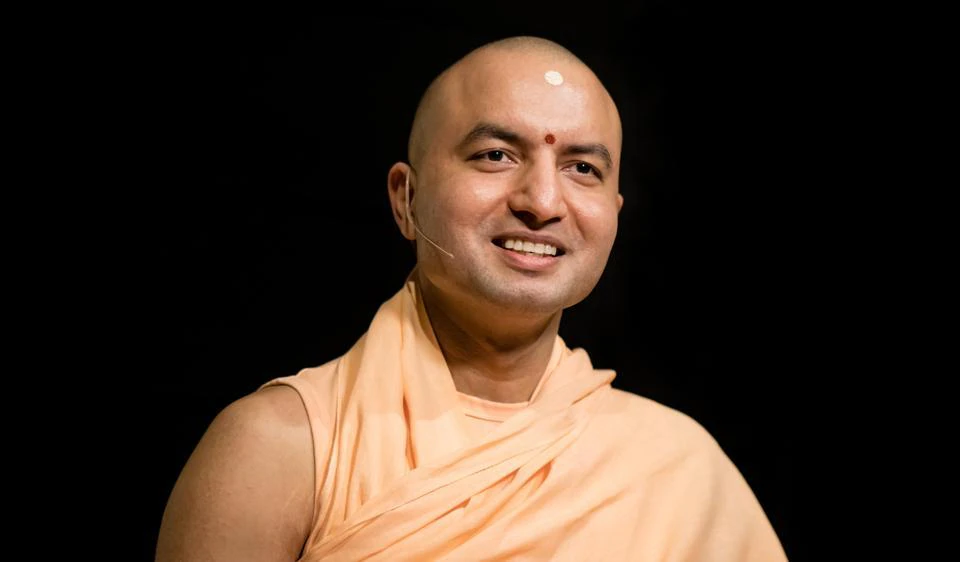
- Guided Meditation: You can listen to Gurudev, Sri Sri Ravi Shankar Guided meditation series.
4. Be Patient
Meditation is a skill that develops over time. It’s normal for your mind to wander—gently bring your focus back without judgment.
Challenges in Meditation and How to Overcome Them
- Restlessness: Start with brief sessions or practice body scans to release tension.
- Intrusive Thoughts: Acknowledge thoughts without attaching to them, like observing clouds drifting by.
- Consistency: Set a specific time each day for meditation to create a routine.
The Science Behind Meditation
Studies in neuroscience have demonstrated meditation’s transformative effects on the brain:
- Neuroplasticity: Meditation strengthens areas responsible for attention, emotion regulation, and self-awareness.
- Reduction of Amygdala Activity: It decreases activity in the brain’s fear center, lowering stress responses.
- Increased Grey Matter: Regular practice enhances memory, decision-making, and learning capacity.
Meditation and Modern Life
In our fast-paced, tech-driven world, meditation serves as a powerful antidote to burnout and overstimulation. Whether practiced for spiritual growth, stress management, or overall well-being, meditation is a timeless tool that harmonizes the mind, body, and soul.
Conclusion
Meditation is more than just a wellness trend—it’s a pathway to a more mindful, balanced, and fulfilling life. Its benefits, ranging from stress reduction to emotional growth and improved relationships, make it a vital practice for modern living. The best part? Meditation is accessible to everyone. Start small, stay consistent, and enjoy the journey toward inner peace and clarity.
Would you like specific meditation techniques or recommendations to incorporate this practice into your daily routine?
Disclaimer: This article is for informational purposes only and is not a substitute for professional medical advice, diagnosis, or treatment. If you have health concerns, always consult a qualified meditation expert. Individual experiences with meditation may vary.


